in memoriam
In Memoriam - Ron Dutton (1935-2026)
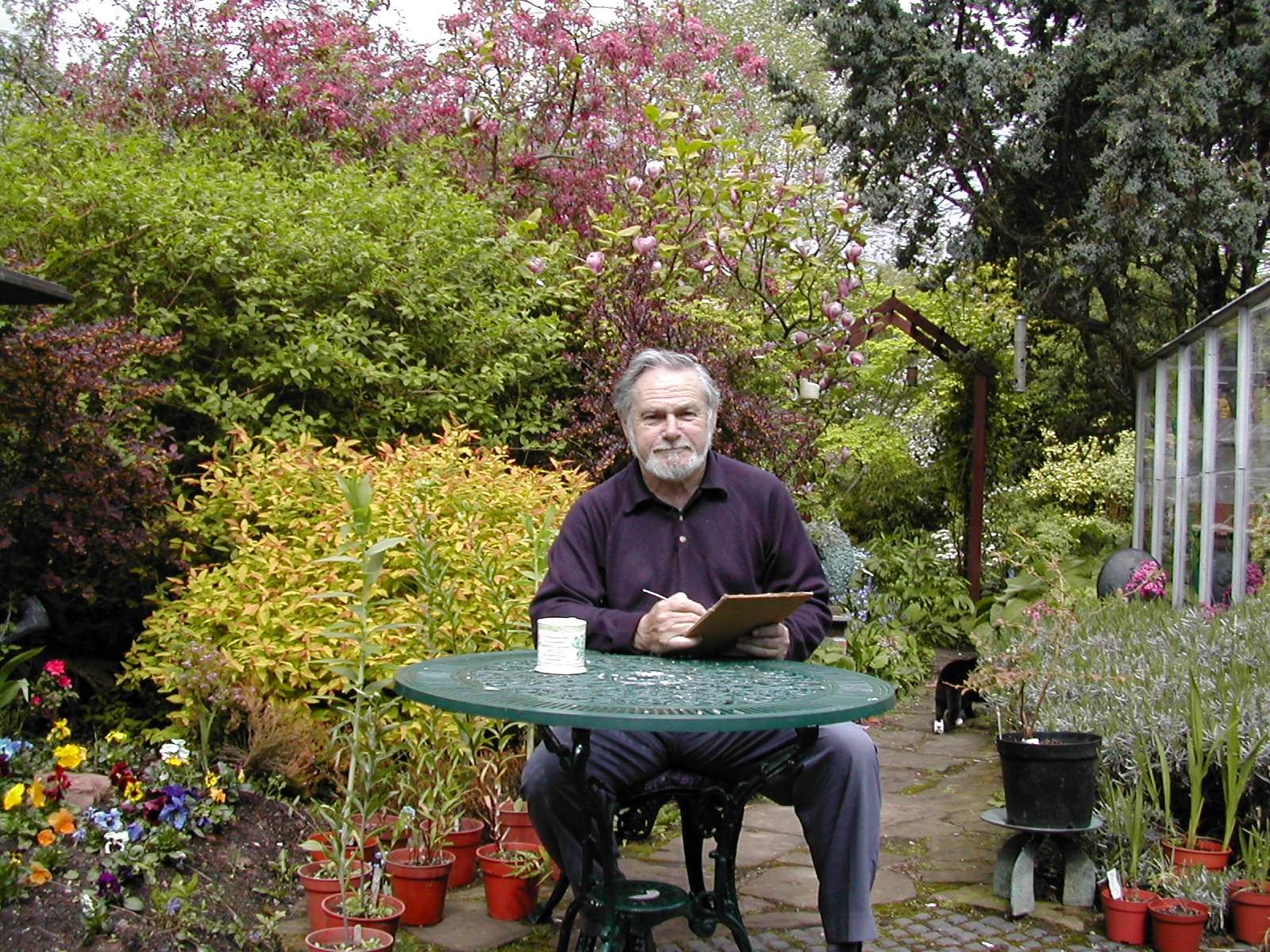
Ron Dutton was born in 1935 in Nantwich, Cheshire (UK). He studied Fine Arts at King's College, University of Durham in Newcastle upon Tyne from where he graduated in 1960. He taught sculpture at Sunderland College of Art. Between 1964 and 1985, he was the Head of Sculpture at Wolverhampton College of Arts. His career as a medallist started in 1974 although he himself saw them not as medals but rather small bronze reliefs.
In 1979, he participated for the first time at the FIDEM congress in Lisbon. The debate at the time was: "What is a medal?". He said during an interview in 2003 that "I thought the discourse was quite pedantic and my contribution for future FIDEM debates was the medal entitled Pig Poem.
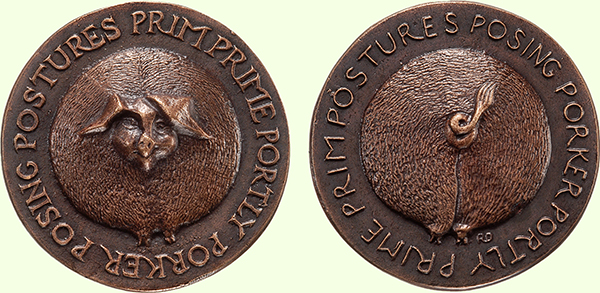
It is round, it sits comfortably in the hand, has an image on the obverse and reverse and an inscription". And indeed Pig Poem follows the definition of a dictionary: small, round, in metal and two-sided. Except that Pig Poem has the extra touch of humour which was so characteristic of Ron.
Since 2012, Ron has been FIDEM's vice-president. In 2016, he received the FIDEM Grand Prix: "four lush, colourful and high-spirited medals, demonstrating the enormous creativity of an experimented artist."
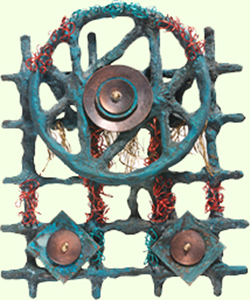
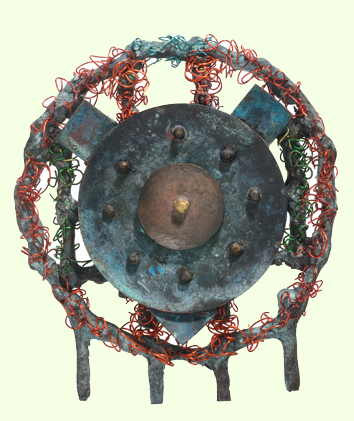
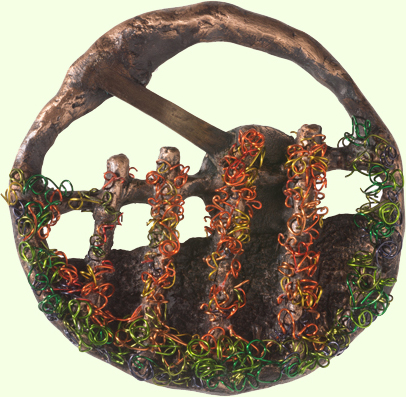
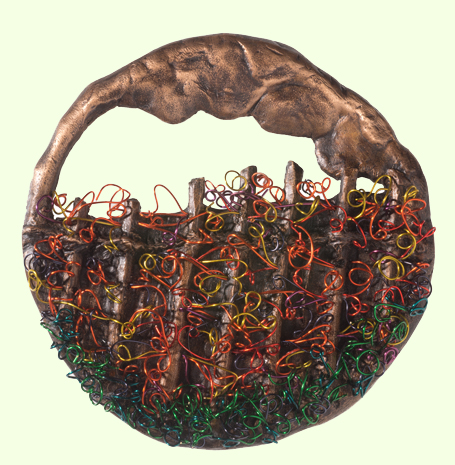
The news of his death feels unreal. I met Ron and saw his medals for the first time during the 2000 year FIDEM congress in Weimar. His Space Imperial medal caught my eye because I was not quite sure of what I had in front of me. My first instinct was to question what it was. I did not understand why it was part of a medal exhibition because to me it was not a 'medal'. Still it made me stop to look at it. Why? It had a strange shape, it had colours and it was funny in the sense that it had humour. I never looked at the title because I wanted to give my mind a chance to see through the object, not to impose an explanation straight away. The medal made me smile because it made me think of Captain Spock's ears. I don't think Ron's intention was to make the viewers think of Star Trek.
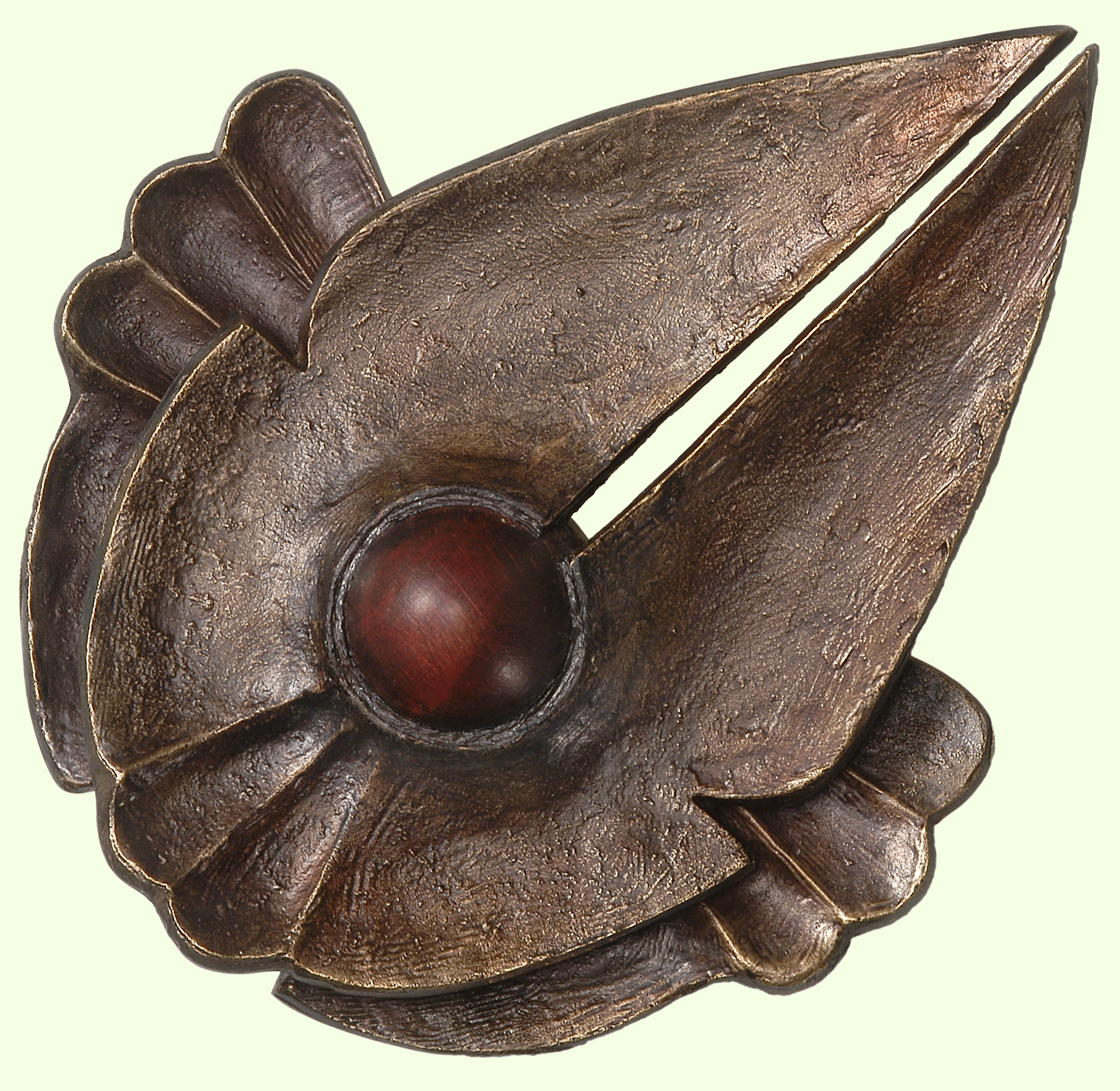
I got the feeling it would lift off and wander back in space. I remember that I wanted to touch it and hold it in my hands but it was resting safely behind glass. Somebody approached me and asked if I enjoyed the exhibition and what I thought of the medals in the case. I told him that Space Imperial was intriguing but I wouldn't stretch to saying I liked it. He started quizzing me and at some point I told him that it would be nice to be able to one day speak to the artist. He faced me, a big smile broadened his face, he extended his hand and said: "Ron Dutton, nice to meet you. I am very happy that my medal intrigues you. Then I know it has done its job." At that moment I wanted the earth to swallow me. My first congress and I had managed to insult two artists already. He was approached by other members of the congress and I could escape to the garden of the museum. A lady was sitting on a bench. A lady I had shortly met previously. She looked at me and said: "Oh dear, you look a bit pale what is the matter?" I told her and after a while she smiled, patted my hand and said: "Don't you worry. I am sure you have not insulted him. You have just tickled his creativity. Don't you worry, I will talk to him. He is my husband". Leila was right because from this moment, I had gained a friend.
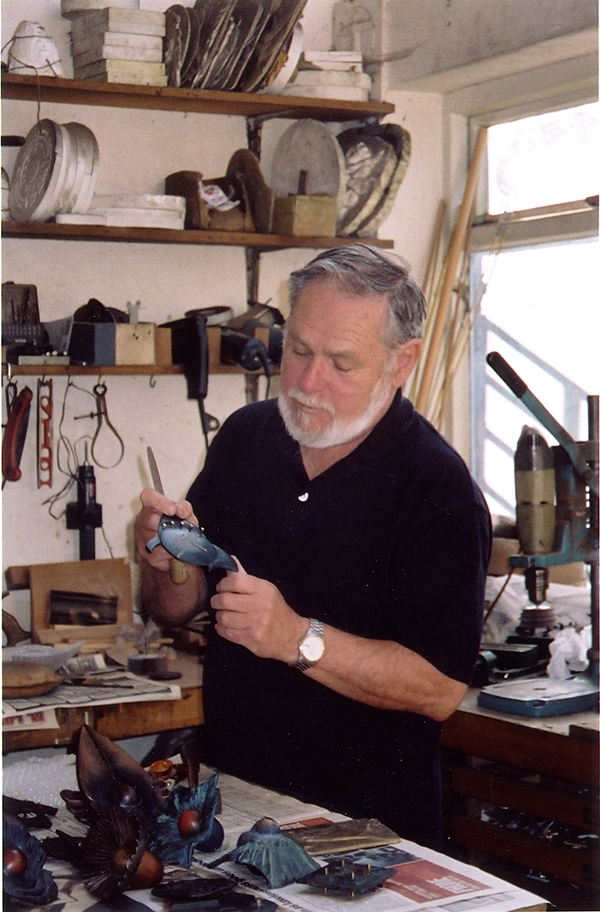
In 2004, I had the great privilege to work closely with Ron when I prepared an exhibition with his works of art at the Royal Coin Cabinet in Stockholm where I was the curator of the medal collection. 'From Landscape to Lunarscape' featured several of his medals including the ones with an environmental theme. It was a well visited exhibition. The showcase, I was the proudest of having created, and which made Ron go very silent, was the one where Captain Spock's ear was actually flying in space.
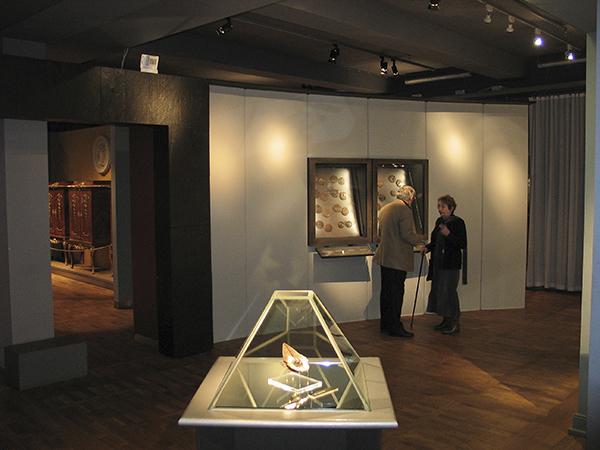
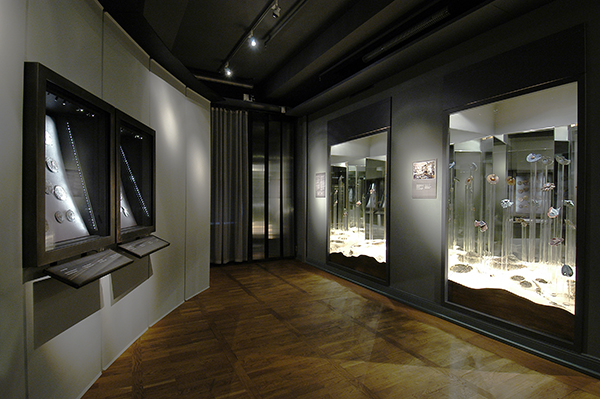
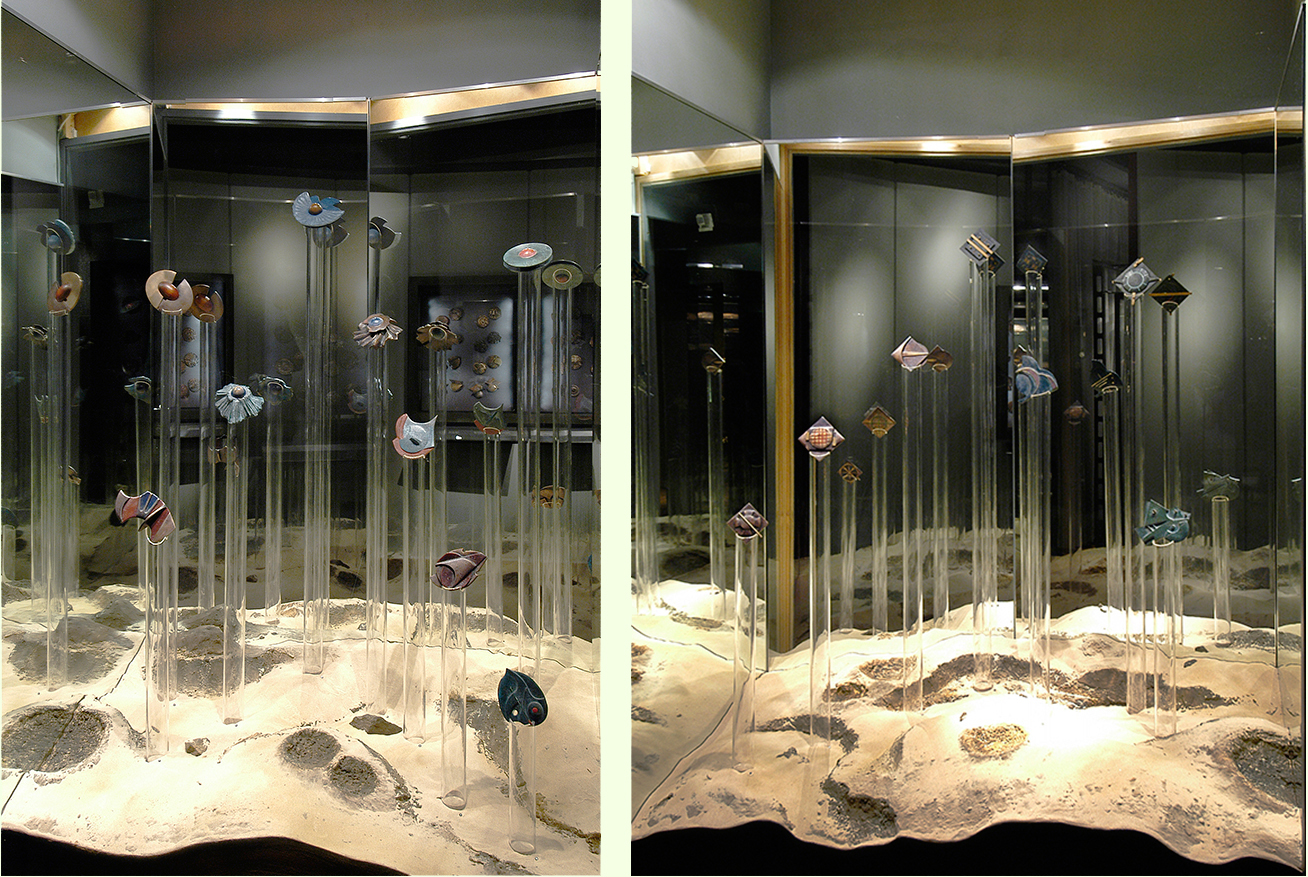
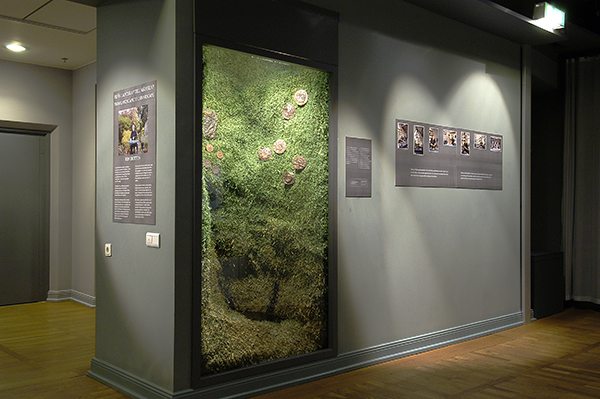
In the exhibition catalogue I wrote: "One can compare the medal and his work: they are two sided. On one side his fingers are giving life to the metal with the impression of his fingertips and the modelling of the wax. The other side is the metal and the topic which melt into each other and become one. Together the two sides create a whole. This whole should be touched, stroked and felt by the hands of the viewer. In real life you can touch the landscape in the sense that you can touch the grass, the trees, the flowers, the animals, you get an impression and you leave an impression in the landscape with your footprints. Dutton wants you to get an impression when you look and touch his medals because he has left his impressions on the metal. And many of his medals are touching us in various ways."
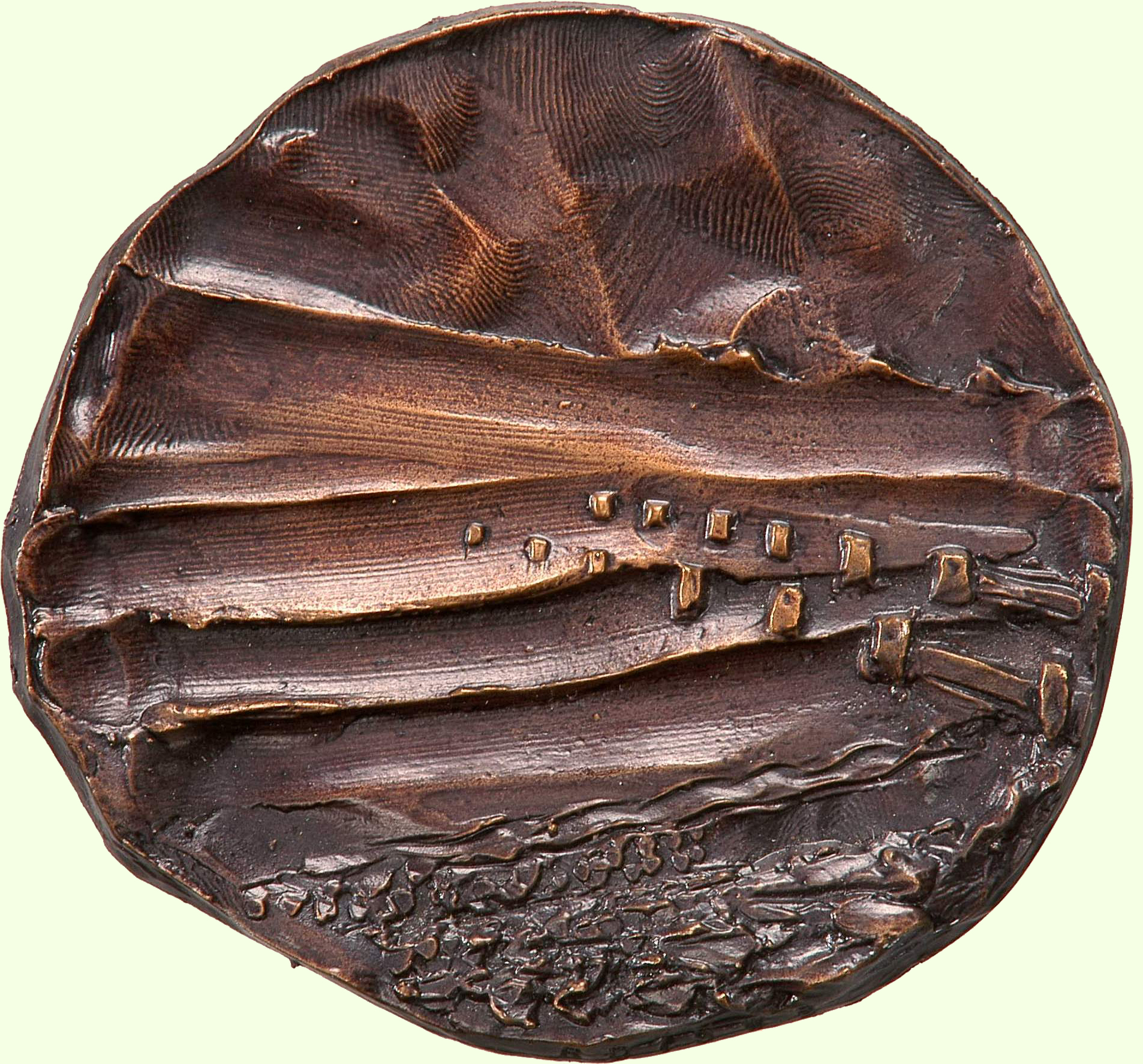
Ron was always very generous with his time, a great teacher, someone who made you laugh, he touched a lot of people with his medals and his booming singing voice will be dearly missed.
Marie-Astrid Voisin Pelsdonk
Amanullah Haiderzad (1939-2026)